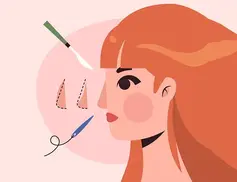
What Is Breast Reduction Surgery?
Breast reduction (reduction mammoplasty) removes excess breast tissue, fat and skin to make the breasts smaller, lighter and better shaped. It is one of the few cosmetic-type operations that produces such a clear improvement in physical comfort. Women with very large breasts (macromastia) often live with daily pain, restricted activity and unwanted attention, and many describe the surgery as lifechanging.
Dr. Kiran Nerkar, a board-certified plastic surgeon at Aakar Aesthetics in Nashik, plans reduction surgery for both relief and shape: smaller, lighter breasts that sit higher on the chest and look in proportion with your body.
Symptoms of Overly Large Breasts
- Chronic neck, upper back and shoulder pain.
- Deep grooves in the shoulders from bra straps.
- Skin irritation, rashes or infections under the breasts.
- Difficulty exercising, running or sleeping comfortably.
- Headaches, poor posture and numbness in the hands.
- Difficulty finding clothes that fit, and emotional distress or self-consciousness.
Who Is a Good Candidate?
- Women whose breast development is complete and whose breasts cause physical discomfort or clear disproportion
- Non-smokers in good health.
- A stable body weight. Significant weight loss after surgery may change the result.
- Women with realistic expectations and an understanding of scars and possible effects on breastfeeding.
If you are 40 or above, or have a family history of breast disease, a mammogram or breast ultrasound may be requested before surgery.
When It May Be Better to Wait
Breast reduction is major surgery, and while most candidates are ready to proceed once symptoms are clear, there are situations where waiting, or trying other measures first, is reasonable.
- If your weight is still actively changing, it is usually better to reach a stable weight first, since significant weight loss afterwards can reduce the volume further and change the shape achieved.
- If you are planning a future pregnancy, discuss timing with your surgeon, as pregnancy and breastfeeding can alter breast size and shape again.
- Mild to moderate discomfort that has not been tried with simpler measures, such as a well-fitted supportive bra, physiotherapy for posture, or weight management where relevant, may sometimes improve enough that surgery is not the only path, although many women with true macromastia continue to need surgery for lasting relief.
- If you have uncontrolled diabetes or are a current smoker, your surgeon will discuss optimising these first, since both affect wound healing.
Myths and Facts About Breast Reduction
- Myth: Breast reduction is a purely cosmetic procedure. Fact: for most patients with macromastia, the primary reason is physical relief from back, neck and shoulder pain, skin irritation and restricted activity; the improved shape is a welcome secondary benefit.
- Myth: You will definitely be unable to breastfeed afterwards. Fact: some women can breastfeed after reduction and some cannot; it depends on the technique and how much glandular tissue and duct connection is preserved, and this is discussed individually.
- Myth: The results are not long-lasting. Fact: the tissue that is removed does not return, though normal ageing, weight change and pregnancy can affect the breasts over time, as they would for anyone.
- Myth: Only very overweight women need this surgery. Fact: macromastia can affect women of any build; it is the proportion and weight of breast tissue relative to the chest frame that causes symptoms, not overall body weight.
- Myth: Insurance never covers breast reduction. Fact: because the surgery treats genuine physical symptoms, some patients successfully claim partial cover; this depends entirely on the individual insurer and policy, and we can help prepare documentation.
Preparing for Your Consultation
- Keep a short diary of your symptoms – when the back or shoulder pain is worst, how bra strap grooves feel, any skin irritation under the breasts – as this helps demonstrate the physical impact.
- Bring any letters from a physiotherapist, orthopaedic doctor or dermatologist you may already have consulted about these symptoms.
- Bring a recent mammogram or ultrasound report if you have one, particularly if you are 40 or above or have a family history of breast disease.
- List current medications and note if you smoke, so a plan to stop beforehand can be discussed.
- Think about how much smaller you would like to be, understanding that the final size is a balance between your goals and what can be safely achieved while keeping the nipple healthy.
- Consider writing down how large breasts affect specific parts of your life – exercise, sleep, work, travel, finding correctly fitting bras – since this context helps your surgeon understand your priorities beyond appearance alone
- If you are also curious whether reduction alone will address sagging, ask directly; most reduction techniques include an inherent lifting effect, and your surgeon can explain what this will look like for your specific anatomy.
Reduction and Lift Together
Because removing volume from very large, heavy breasts almost always involves some degree of lifting and reshaping, most reduction techniques already build a lifting effect into the operation, repositioning the nipple and tightening the skin envelope as part of the same procedure. This is one reason reduction surgery is often described as giving both relief and an improved silhouette in a single operation, rather than needing a separate lift afterwards for most patients.
How Breast Reduction Is Done
Surgery takes around two to four hours under general anaesthesia. The technique depends on the amount of tissue to be removed and the position of the nipples.
- Incision patterns: a keyhole or anchor-shaped incision (around the areola, vertically down, and along the breast fold), or a shorter vertical pattern for moderate reductions.
- Tissue removal: excess breast tissue, fat and skin are removed, and the remaining tissue is reshaped.
- Nipple: the nipple and areola stay attached to their blood supply and are moved to a higher position. In very large reductions, the nipple may be removed as a graft and replaced, which can reduce sensation.
- Liposuction: may be used for fatty breasts, or to contour the areas around the breast.
- Closure: layers of stitches, dressings and a supportive bra. Drains are placed by some surgeons for a day or two.
Recovery Timeline
- Days 1–3: soreness, tightness and swelling, and an overnight stay may be advised.
- Week 1–2: rest, gentle walking, and wear the support bra continuously. Many return to desk work after about 2 weeks.
- Weeks 4–6: gradual return to normal activities and exercise
- Months 3–6: swelling settles; breast shape improves, and scars continue to mature for a year.
Most women report that back and neck pain improves considerably after recovery, and that they feel more comfortable in clothes and exercise.
Looking After Yourself While You Heal
- Wear the support bra continuously, including at night, for as long as advised, since it reduces swelling and protects the healing tissue.
- Sleep propped up on your back for the first couple of weeks to help swelling settle and reduce tension on the incisions.
- Avoid smoking and nicotine, which slow healing and increase the chance of wound problems, particularly at the points where incision lines meet.
- Keep incisions clean and dry, and once healed, use sun protection and any recommended scar care to help scars mature and flatten.
- Eat a balanced, protein-rich diet and stay well hydrated to support tissue repair.
- Build up activity gradually. Even once pain has settled, avoid heavy lifting or vigorous upper-body exercise until your surgeon confirms it is safe.
Emotional and Everyday Impact
Because breast reduction addresses genuine physical symptoms as well as appearance, the change many women notice is not just in how their breasts look but in day-to-day comfort: sleeping more easily, exercising without pain, and finding clothes that fit properly. Some women also describe feeling less self-conscious about their size in social or professional settings. As with any surgery, results and the degree of relief vary between individuals, and setting realistic expectations in the consultation helps you feel prepared for both the physical and emotional adjustment during recovery.
Risks
Risks include scarring (the trade-off of the operation), changes or loss of nipple sensation, difficulty in breastfeeding, uneven breast size or nipple position, delayed wound healing (especially at the junction of incision lines), fat necrosis (firm areas in the breast), bleeding, infection, and rarely loss of the nipple. Smoking and uncontrolled diabetes increase healing risks. Your surgeon will discuss these openly.
Myths and Facts, Continued: Pain and Posture
It is also worth knowing that back, neck and shoulder pain from very large breasts can sometimes be mistaken for an unrelated orthopaedic or spinal problem, leading women to try physiotherapy or pain medication for years before a plastic surgeon points out that breast weight is the underlying cause. If you have already tried supportive measures without lasting relief, it is worth mentioning this history during your consultation, as it helps build a clear picture of how much the breast weight itself is contributing to your symptoms, and it can support any documentation needed for an insurance claim.
Long-Term Outlook After Reduction
The relief from back, neck and shoulder pain that most women experience after breast reduction tends to be lasting, but a few factors influence how the result holds up over the years.
- Significant future weight gain can add volume back to the breasts and may reduce some of the physical relief, so keeping your weight reasonably stable helps preserve the result.
- A future pregnancy and breastfeeding will affect the breasts again, and some women who become pregnant after reduction choose to reassess their shape once breastfeeding is complete.
- Scars continue to soften, flatten and fade for up to a year or longer; sun protection during this period helps them mature well.
- Continuing routine breast awareness and any age-appropriate screening your doctor recommends remains important after reduction, just as it would otherwise.
Follow-Up and Ongoing Care
Early follow-up visits check wound healing, remove any non-dissolvable sutures and confirm that swelling is settling evenly on both sides. Later visits, spaced over the following months, track how the shape and scars are maturing. Many women also find it helpful to be re-fitted for bras once swelling has settled, since breast size and shape change meaningfully in the months after surgery. You are welcome to contact the clinic between scheduled visits if you notice anything that concerns you, however small it may seem.
Breast Reduction Cost in Nashik
The cost depends on the technique, amount of tissue removed, anaesthesia, hospital stay and follow-up. Because reduction surgery relieves physical symptoms, some patients ask whether health insurance may cover it. We can provide the documentation, though coverage depends on the insurer and the policy. A written estimate is given after examination.
Breast Reduction: Frequently Asked Questions
How much smaller will my breasts be?
The goal size is planned with you before surgery. It depends on the amount of tissue that can be safely removed while keeping the nipple healthy.
Will the pain go away after breast reduction?
Most patients notice significant relief from back, neck and shoulder pain, though results vary depending on other causes of pain.
Can I breastfeed after breast reduction?
Some women can, and some cannot. It depends on the technique used and how much tissue is preserved.
Will my nipples lose sensation?
Sensation often changes after surgery, and in most patients it recovers partly or completely over months. Lasting numbness is possible.
How long are the scars?
Scars go around the areola and vertically, and in some techniques along the breast fold. Scars usually mature and fade over a year or more.
At what age can breast reduction be done?
It is best after the breasts have finished developing. In teenagers with severe symptoms, timing is decided individually.
If large breasts are affecting your comfort and daily life, book a consultation at Aakar Aesthetics, Nashik