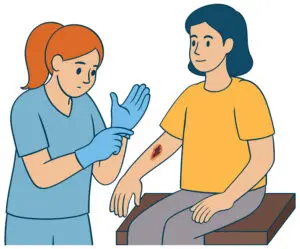
Living With Burn Scars: What Corrective Surgery Can Do
A burn injury does not end when the wound heals. As the skin repairs itself, it can form thick, tight scars that pull on the surrounding tissue. These are called contractures. A contracture at the elbow may stop the arm from straightening, one at the neck may limit head movement, and one near the eye or mouth can distort facial features. Burn scars can also be itchy, painful, discoloured and emotionally distressing.
Corrective burn surgery aims first at function: freeing tight joints, restoring movement and protecting delicate structures. The second aim is appearance: improving the contour, colour and texture of the skin. At Aakar Aesthetics in Nashik, Dr. Kiran Nerkar plans burn reconstruction in stages, matched to the individual patient.
Types of Burn Scar Problems
- Hypertrophic scars -- raised, red, thick scars that stay within the burn boundary and often improve over time.
- Keloid scars -- scars that grow beyond the original burn area and need specific treatment.
- Scar contractures -- tight bands that limit movement, common across joints, the neck, armpit, fingers and face.
- Unstable wounds and grafted areas that repeatedly break down.
- Pigment changes -- lighter or darker patches from the burn.
- Loss of tissue such as an ear, nose, eyelid or lip, or hair-bearing areas such as the scalp and eyebrows.
Myths and Facts About Burn Scars
Burn recovery is surrounded by well-meaning but often inaccurate advice, so it helps to separate common beliefs from what actually happens.
- Myth: "Once the wound has healed, the scar is as good as it will ever get." Fact: a burn scar continues to change for a year or more after the wound closes, and this maturing period is exactly why timing of any corrective surgery matters so much.
- Myth: "Only large, deep burns need specialist follow-up." Fact: even a relatively small burn near a joint, eyelid or the mouth can form a contracture that limits movement, so location matters as much as size.
- Myth: "Massage and moisturiser can prevent a contracture from ever forming." Fact: regular massage, stretching and pressure therapy genuinely help keep a healing scar supple, but a tight band that is already restricting movement needs a proper assessment, and sometimes surgical release, rather than massage alone.
- Myth: "Surgery will make the scar disappear." Fact: surgery releases tightness and can improve contour, colour and texture considerably, but it does not erase a scar completely, and setting this expectation honestly from the outset is part of good care.
When Is the Right Time for Surgery?
Timing matters. In general, scars need about 12 to 18 months to mature, and operating too early can lead to more scarring. However, a contracture that blocks joint movement, threatens eyelid closure or restricts growth in a child may need surgery sooner. Dr. Nerkar assesses each scar for function first, and will tell you whether waiting, non-surgical treatment or early release.
Who Should Consider Corrective Burn Surgery Now
Some burn scars genuinely benefit from early surgical attention rather than watchful waiting. A contracture that is limiting how far a joint can bend or straighten, a band near the eyelid that is starting to affect eye closure, or a scar over a growing child's joint that is not keeping pace with growth are all reasons to bring surgery forward rather than waiting for the usual 12 to 18 month maturation window. Similarly, an unstable, repeatedly breaking-down graft or wound needs prompt reassessment rather than continued dressing changes alone. On the other hand, a scar that is still red, thick and actively settling, but is not restricting movement or threatening a delicate structure, is often better managed for now with pressure garments, silicone and physiotherapy, with surgery reserved until it has matured and its true final shape is clearer.
Preparing for Your Burn Scar Consultation
Because burn scars evolve over time, it helps Dr. Nerkar to understand the full history, not just the current appearance. Before your visit, try to note:
- The approximate date of the original burn, and roughly how it happened (heat, flame, scald, chemical or electrical).
- Any treatment already received, including whether grafts were done previously and where the donor skin was taken from.
- Which joints or areas feel tight, and which specific movements or activities are limited.
- Any history of the scar breaking down, becoming infected, or being treated with injections or lasers previously.
- Photographs taken over time, if available, since these help track how the scar has changed.
- Whether you or a family member tend to form keloid scars.
Bringing a support person to the consultation, especially for a child's burn scar, often helps everyone absorb the information and plan questions in advance.
Treatment Options
Non-surgical scar care
- Pressure garments and silicone sheets or gels for raised scars.
- Physiotherapy, splinting and stretching to prevent contractures from tightening.
- Steroid injections for thick or itchy scars.
- Laser treatments to improve redness, texture and stiffness in suitable scars.
- Moisturising, sun protection and massage.
Surgical options
What Happens During Treatment
The consultation includes a thorough examination of joint movement, skin quality and donor areas for grafts. Photographs are taken for planning. Most burn reconstruction is done under general or regional anaesthesia, and a large scar may need more than one stage. A donor site for grafting is usually the thigh, and it heals like a graze over a couple of weeks.
After surgery, a grafted area is protected with dressings and sometimes a splint for the first week or more so that the graft can take. Early, guided physiotherapy is important. Pressure garments and silicone are continued afterwards to keep the scar flat and supple.
A Note for Parents and Caregivers of Burn-Injured Children
Caring for a child through a burn injury and its aftermath is demanding, both physically and emotionally, and it is completely normal for parents to feel a mix of guilt, anxiety and exhaustion, even when the burn happened despite reasonable care. Children's skin scars differently from an adult's, and because children keep growing, a scar that was once a comfortable fit across a joint can become tight again as the surrounding normal skin lengthens, which is why regular review through childhood is built into the follow-up plan rather than being a sign that something has gone wrong. Involving your child in age-appropriate explanations of dressing changes, pressure garment wear and therapy exercises tends to improve cooperation and reduce distress compared with simply doing things to them. Encouraging your child to talk about how the scar or garment feels, including any teasing or questions from classmates, and working with the school where needed, is a valuable part of the overall recovery and is something the clinical team is glad to discuss with you.
School, Social Life and Documentation
Children and adults alike often worry about how a visible burn scar will be perceived at school, college or work. Pressure garments, in particular, can feel conspicuous to a child, and simple, honest explanations prepared in advance -- for the child to use with classmates, or for parents to share with teachers -- often reduce awkwardness considerably. For families managing ongoing therapy, follow-up visits and, in some cases, insurance or reimbursement processes, our team can provide the medical documentation, procedure summaries and reports commonly requested for these purposes; final approval and coverage decisions, however, always rest with the relevant insurer or authority.
Lifestyle Factors That Support Burn Scar Healing
Nutrition plays a genuinely important role in burn recovery, since healing skin and, where relevant, a healing graft donor site both require adequate protein, calories and micronutrients, particularly in children who are also growing. Smoking significantly impairs blood flow to healing tissue and grafts, and stopping well before any planned surgery meaningfully improves graft survival and wound healing. Sun protection is essential for burn scars long after the initial injury, since new or immature scar tissue pigments very easily and can darken noticeably with sun exposure, sometimes permanently. Staying consistent with prescribed pressure garment wear, splinting and stretching exercises, even when it feels repetitive, has a measurable effect on how supple the final scar becomes.
Long-Term Outlook
Burn scars continue to soften, flatten and fade over a period that typically extends well beyond the first year, and for many patients the scar at two or three years looks meaningfully better than it did at six months, particularly with consistent pressure therapy and sun protection. Children who need staged surgery as they grow usually need fewer interventions, spaced further apart, as they approach their final adult height, since growth-related tightening slows once skeletal growth is largely complete. Functional outcomes -- how well a joint moves, how normally a hand or face works -- are generally the most rewarding measure of success, and most patients treated with a well-planned combination of therapy and, where needed, surgery, regain a very good range of movement even when some visible scarring remains.
Risks and Realistic Expectations
Possible risks include graft loss, infection, bleeding, delayed wound healing, thick scarring at the graft borders, pigment mismatch and recurrence of tightness. Growing children may need repeat releases as they grow. Burn surgery improves function and appearance, but scars cannot be erased completely. Dr. Nerkar sets clear goals with you before starting and maintains long follow-up.
Follow-Up Care Schedule
Follow-up after burn scar surgery is typically closer and more frequent than after a routine minor procedure. An early review checks the graft or wound in the first one to two weeks, followed by periodic visits over the following months to monitor scar maturation, joint movement and the fit of any pressure garment. For children, follow-up often continues at longer intervals through the growing years, since new tightness can develop gradually and is far easier to manage when caught early.
When to Seek Urgent Medical Attention After Burn Surgery
Contact the clinic promptly if a graft or donor site becomes increasingly painful, red or swollen, if dressings become soaked with blood or foul-smelling discharge, if fever develops, or if a splinted joint suddenly becomes very painful or the fingers or toes beyond it become pale, blue or cold. Any sudden loss of a graft's healthy pink colour, or a dressing that appears to have shifted from its planned position, should also be reported without waiting for the next scheduled visit.
Cost of Burn Reconstruction in Nashik
The cost depends on the size and location of the scar, the type of graft or flap, the number of stages, the anaesthesia, hospital stay and the post-operative therapy required. Some patients need several staged procedures over months. A written plan and estimate is shared after the first consultation.
Corrective Surgery for Burns: Frequently Asked Questions
Can burn scars be removed completely?
No scar can be erased. Surgery and scar treatments can release tightness, improve movement and make scars flatter, softer and less noticeable.
How long after a burn can I have corrective surgery?
Many scars are reviewed after 6 to 12 months and operated on after they mature, but contractures that limit function can be released earlier.
Is a skin graft painful?
You will be under anaesthesia during surgery. The donor area feels sore, like a large graze, for a few days to two weeks, and pain medicines control this.
Will my child need repeat surgery after a burn?
Children may need more than one procedure as they grow because scars do not grow at the same rate as healthy skin. Regular follow-up catches problems early.
Do pressure garments really help?
Yes. Well-fitted garments worn as advised can reduce thickness and redness of raised scars. Wearing them consistently makes the difference.
Can burn scars on the face be treated?
Yes. Facial burn scars are managed carefully with a combination of scar therapy, lasers and staged surgery, with attention to eyelids, lips and nose.
If a burn scar is limiting movement or confidence, we can help you plan the right next step. Book a consultation at Aakar Aesthetics, Nashik